

EK9-1006108 · 05/1998 · Honda · JDM Sports
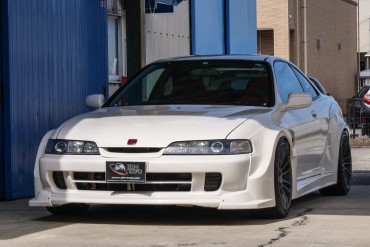
DC2-1400360 · 09/1999 · Honda · JDM Sports

PP1-1022250 · 1991 · Honda · JDM Sports
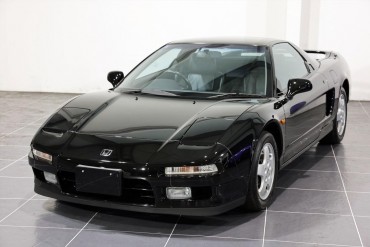
NA1-1001432 · 3/1991 · Honda · JDM Sports

2008 · Honda · JDM Sports

NA2-2000002 · 2004/01 · Honda · JDM Sports
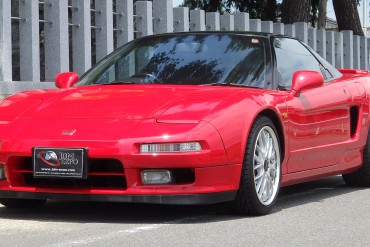
NSX-1001574 · 1991 · Honda · JDM Sports

BB1-101159 · 1992 · Honda · JDM Sports

NA1-1004210 · 8/1991 · Honda · JDM Sports
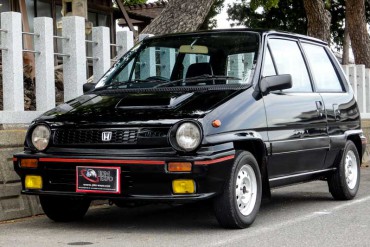
AA-1287144 · 03/1983 · Honda · JDM Sports

NA1-1000347 · 5/1990 · Honda · JDM Sports
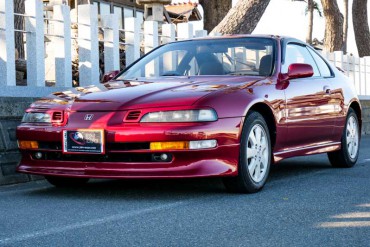
BB1-1101605 · Honda · JDM Sports

EK9-1201743 · 01/1999 · Honda · JDM Sports

EG6-1303043 · Honda · JDM Sports
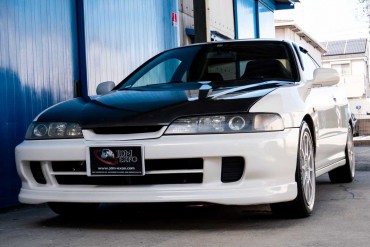
DC2-1401948 · Honda · JDM Sports

DC2-1109683 · 7/1996 · Honda · JDM Sports
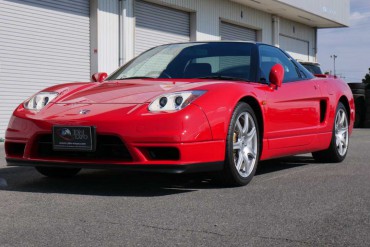
F-1400113 · Honda · JDM Sports
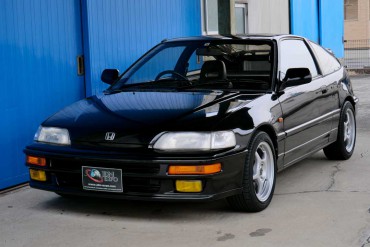
EF8-1101932 · 1991 · Honda · JDM Sports

BB6-1000682 · 08/1997 · Honda · JDM Sports
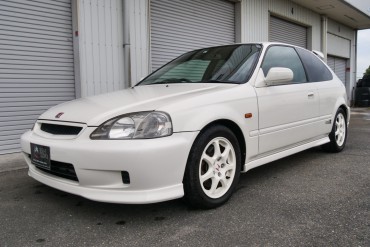
EK9-1103761 · 06/1999 · Honda · JDM Sports
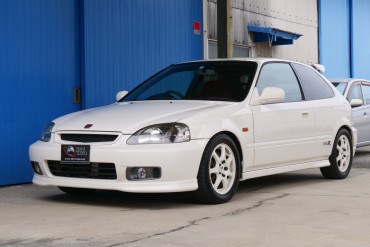
EK9-1100884 · 10/1998 · Honda · JDM Sports

EK9-1002513 · 10/1997 · Honda · JDM Sports

EK9-1200161 · 08/1999 · Honda · JDM Sports
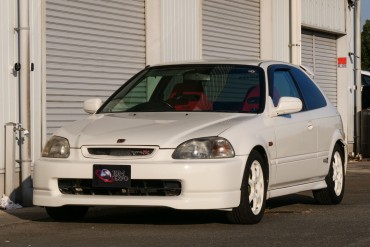
EK9-1004579 · 02/1998 · Honda · JDM Sports
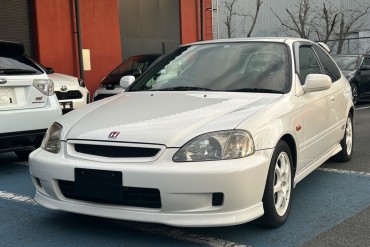
EK9-1103425 · 5/1999 · Honda · JDM Sports

NA1-1004968 · 12/1992 · Honda · JDM Sports
購入ガイド — Buyer's guide
Honda's Type R badge started in Japan. The NSX-R, Integra Type R and Civic Type R were built for the home market first, and several — the EK9 Civic Type R and the Beat kei roadster among them — were never sold in the U.S. at all.
High-revving VTEC engines keep their value when they have been looked after, so Japanese cars with a clear service record are worth waiting for.
| Model | Built | Why buyers want it |
|---|---|---|
| NSX (NA1 / NA2) | 1990–2005 | The aluminium, mid-engined V6. The NSX-R and Type S were never offered in America. |
| Integra Type R (DC2) | 1995–2001 | The B18C at its best, with Japanese-market colours and updates the U.S. car lacked. |
| Civic Type R (EK9) | 1997–2000 | The first Civic Type R, and a Japan-only car. |
| Beat (PP1) | 1991–1996 | A mid-engined kei convertible with a revvy 656cc three-cylinder. |
| Prelude / CR-X | 1983–2001 | Front-wheel-drive coupes, including the four-wheel-steer Prelude and the targa-roofed CR-X delSol. |
Under the U.S. 25-year rule, a car built for another market can be imported once it is 25 years old, counted to the month of manufacture. Every Honda above shows its build date, and each listing tells you the month it opens. Newer cars can still be bought ahead of time and held until they qualify — see our import guide for the details.
Yes, once the car is 25 years old, counted to the month it was built. Cars that old no longer have to meet U.S. federal safety standards and are past the EPA's 21-year exemption, so they can be imported, titled and registered. Every Honda on this page shows its build date and the month it becomes legal to import.
The price of the car, ocean freight from Japan to a U.S. port, and U.S. import duty of 2.5% on passenger cars, plus customs brokerage, port charges and delivery to your address. Each listing shows an estimated landed cost to the port, and our cost estimator prices the rest for your city.
Usually 8 to 12 weeks from winning the car to your door: export paperwork in Japan, the ocean crossing, U.S. customs clearance and delivery from the port.
Every Japanese auction car is inspected by a third party and given a grade with a lettered damage map. We translate the full inspection sheet, order extra photos of anything it flags, and give you our honest read before you set a bid ceiling.
That is the normal case — most of what we source never appears on this page. Tell us the model, chassis code, trim, colour and budget on our Find My Car page and we will watch the Japanese auctions for it.